China Best AC vs DC EV Chargers What is the Difference?

Time:2026-07-14 Author:Sienna
0%

When it comes to electric vehicle (EV) charging, understanding the difference between AC and DC chargers is crucial. Many users are unaware of how these two types of chargers impact charging speed, efficiency, and overall experience. What is the difference between AC and DC EV chargers? This question often arises in discussions about the best charging solutions.

AC chargers, commonly found in homes, convert electricity into a form suitable for EV batteries. They offer convenience for overnight charging. However, the charging speed can be slower. On the other hand, DC chargers provide quick power directly to the battery. They are usually located at public charging stations. This can significantly reduce charging time, but they come at a higher cost and require specific infrastructure.

Choosing the right charger depends on individual needs. For long trips, DC chargers are ideal. For daily use, AC chargers may suffice. As technology evolves, the landscape of EV charging continues to change. Understanding these differences helps consumers make informed decisions and optimize their charging experience.
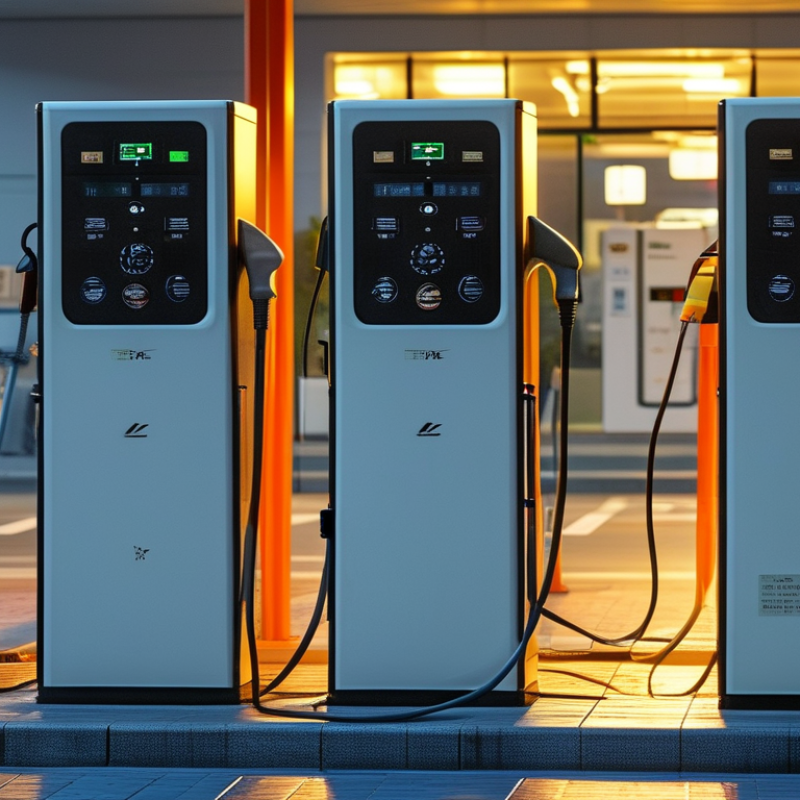
China Best AC vs DC EV Chargers What is the Difference?

Overview of Electric Vehicle Charging Basics

Electric vehicle (EV) charging is a crucial aspect of sustainable transportation. It's essential to understand the basics before diving into details. Two primary charging types are AC (Alternating Current) and DC (Direct Current). AC chargers are commonly available at homes and public charging stations. They use an onboard charger that converts AC to DC. This process can be slower, taking several hours to fully charge an EV. According to industry reports, 70% of EV owners charge their vehicles at home, making AC chargers particularly vital for daily use.

DC chargers, in contrast, deliver power directly to the battery. This results in faster charging times, often taking less than an hour for an 80% charge. A recent study indicated that DC rapid chargers can increase the charging speed by up to 80%, appealing to those who need quick turnaround times. However, the infrastructure for DC charging is less widespread. Many users face challenges in finding accessible DC charging stations, which can be frustrating. The push for more comprehensive charging networks is critical for the growth of EV adoption. Balancing AC and DC charger availability will be essential as EV technology and consumer demands evolve.

Understanding Alternating Current (AC) Charging for EVs

Understanding Alternating Current (AC) Charging for EVs

AC charging is one of the most common methods used for electric vehicle (EV) charging. It allows vehicles to connect to a standard power outlet. Many homes and public charging stations accommodate this form of charging. The core concept of AC charging lies in its ability to utilize the existing power grid infrastructure. This ease of access makes it popular among EV owners.

When an EV is plugged into an AC charging station, the vehicle’s onboard charger converts AC power into direct current (DC) for the battery. The charging speed can vary significantly based on the power output of the station. Level 1 chargers, for instance, can take several hours for a full charge. Meanwhile, Level 2 chargers can provide a more efficient charge within a few hours. This variability can be frustrating for users who need a quick turnaround, emphasizing the importance of understanding charging capabilities.

Overall, AC charging is reliable and widely available. However, it does have limitations in speed compared to DC fast charging methods. It’s important for EV owners to assess their charging needs and choose the right type for their lifestyle. As technology evolves, the landscape of EV charging will likely change, leaving room for improvement and innovation in AC charging systems.

Exploring Direct Current (DC) Charging Technology

Direct current (DC) charging technology plays a vital role in the electric vehicle (EV) landscape. Unlike alternating current (AC) chargers, DC chargers transform electricity at the charging station. This process provides a faster charging experience, making them ideal for quick stops. Many DC chargers can replenish an EV's battery to 80% in just 30 minutes.

However, the infrastructure for DC charging is still developing. Users may find limited availability in certain areas. Keep in mind that the charging speed can vary based on the battery capacity and the charger's output power. Not all EVs can utilize high-power DC fast charging. This could lead to longer wait times if the vehicle is incompatible.

Tips: Always check your EV’s charging specifications before using a DC charger. Consider joining a charging network app to locate DC stations. It's essential to remain patient as the technology expands. Charging experiences can vary, and understanding the differences can enhance your EV journey.

China Best AC vs DC EV Chargers - What is the Difference?

Charging Type Charging Speed (kW) Typical Charging Time Infrastructure Cost Efficiency (%) Best Suited For
AC Charger 3.7 - 22 4-8 hours Low 85-90 Home Charging
DC Charger 50 - 350 30 min - 1 hour High 90-95 Public Fast Charging

Comparative Analysis: AC vs. DC EV Chargers

When comparing AC and DC EV chargers, it's essential to understand their fundamental differences. AC chargers convert alternating current to charge your electric vehicle. They are often used at home and in public charging stations. Their charging speed can vary, typically providing slower charge times. This type caters well to daily commuting needs and is cost-effective.

In contrast, DC chargers deliver direct current, allowing for much faster charging. They are suitable for quick stops during long journeys. With higher power output, these chargers can quickly restore a vehicle's range, making them ideal for highway travel. However, their installation is often more expensive, and they require specialized infrastructure.

While both charging types have their advantages, determining which is best depends on one’s driving habits. Some users may find AC chargers sufficient for regular use. Others might need the speed and efficiency of DC chargers for long-distance travel. This highlights a critical aspect: what works best varies from user to user. Not every setup will be perfect. Understanding your specific needs is vital in making an informed choice.

Comparative Analysis: AC vs. DC EV Chargers

This chart compares the charging speed and efficiency of AC and DC electric vehicle (EV) chargers based on industry standards.

Choosing the Right Charger for Your Electric Vehicle Needs

When selecting a charger for your electric vehicle, understanding the differences between AC and DC chargers is vital. AC chargers typically use alternating current and are often found at home or public charging stations. They are slower, making them better suited for overnight charging. Many homeowners find convenience in using AC chargers as they can plug in their vehicles while they sleep.

On the other hand, DC chargers provide a rapid charging experience. They can deliver a high voltage which reduces charging time significantly. These chargers are commonly located at highway rest stops, making long-distance travel easier for EV owners. However, not all electric vehicles can support DC fast charging, so it’s essential to check compatibility.

Choosing between these two types of chargers depends on your daily usage and needs. If you have access to a charging station at home, an AC charger might suffice. However, if your lifestyle involves frequent long trips, investing in a DC charger could enhance your experience. Balancing cost, availability, and charging speed is crucial. Reflecting on these factors can help ensure you choose the right charger for your electric vehicle needs.

FAQS

: What is DC charging technology?

: DC charging technology allows faster charging by transforming electricity at the station. It's vital for EVs.

How long does it take to charge an EV with DC?

Many DC chargers can recharge an EV's battery to 80% in just 30 minutes. It's quite efficient.

Are DC chargers widely available?

DC charging infrastructure is still developing. Availability may be limited in some areas, so check first.

Can all EVs use DC fast charging?

Not all EVs are compatible with high-power DC fast charging. This may lead to longer wait times.

What are the differences between AC and DC chargers?

AC chargers are slower and usually used at home. DC chargers are faster and better for long trips.

Why might an AC charger be sufficient for some users?

For daily commuting, AC chargers are often enough. They are cost-effective and meet regular charging needs.

How can I find DC charging stations?

Consider joining a charging network app. It helps locate DC stations conveniently and easily.

What should I keep in mind when using a DC charger?

Always check your EV’s charging specifications. Patience is key, as experiences can vary with technology.

Is the installation of DC chargers expensive?

Yes, DC chargers require specialized infrastructure, making installation costlier than standard AC chargers.

What is a critical aspect of choosing a charger?

Understanding your specific driving needs is vital. Not every setup will be perfect for everyone.

Conclusion

Electric vehicle (EV) chargers can be categorized into two main types: alternating current (AC) and direct current (DC) chargers. Understanding the fundamentals of EV charging is crucial for choosing the right charger for your needs. AC charging is typically used for residential applications and takes longer to charge the vehicle, while DC charging is preferable for quick, high-power charging, making it ideal for public charging stations.

So, what is the difference between AC and DC EV chargers? The primary distinction lies in how the electrical current is delivered to the vehicle. AC chargers convert the electricity from your home power supply, while DC chargers provide a direct current that bypasses the vehicle's onboard charger, resulting in faster charging times. When selecting the right charger, consider factors such as charging speed, location, and the compatibility of your EV to make an informed decision.

Sienna

Sienna

Sienna is a skilled marketing professional with a deep expertise in our company’s core products and services. With a passion for innovation and detail, she plays a pivotal role in crafting insightful blog posts that not only highlight the unique features of our offerings but also provide valuable......