How to choose the best AC EV charger for home use?

Time:2026-07-09 Author:Ethan
0%

Choosing the right AC EV charger for home use can be overwhelming. With various options available, understanding how to choose the best AC EV charger for home is essential. Many factors determine the effectiveness and compatibility of a charger.

First, consider the charging speed. Chargers offer different kilowatt ratings, impacting how quickly your electric vehicle charges. A higher rating may seem better, but it’s not always necessary for every household. It’s important to evaluate your driving habits and needs. Furthermore, installation requirements can vary significantly. Some chargers may demand special electrical setups, which could add installation costs.

Lastly, don’t overlook brand reliability and warranty options. Certain manufacturers are known for building durable products. Reading reviews can also provide insights. Balancing price, performance, and brand reputation is vital. Reflect on these factors carefully to avoid potential disappointments. Your choice should align with your lifestyle and future plans.
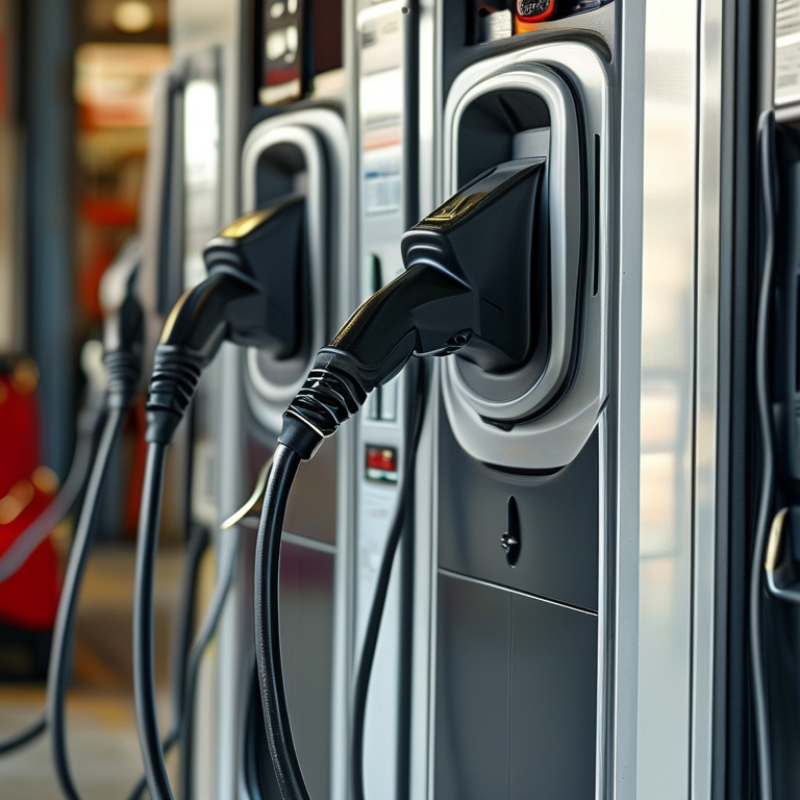
How to choose the best AC EV charger for home use?

Understanding Different Types of AC EV Chargers for Home Use

When selecting an AC EV charger for home use, it's essential to understand the different types available. Level 1 chargers utilize a standard household outlet. They are convenient but charge slowly. Level 2 chargers require a dedicated circuit. They provide faster charging and are usually preferred for home use.

Not all chargers are created equal. Some support smart features that enable scheduling and remote monitoring. Others might not have this capability. It's crucial to evaluate your needs. If you have multiple EVs, consider a higher-powered charger. This helps reduce charging time.

Tip: Assess your home’s electrical capacity before installation. You may need an upgrade. Also, think about your EV's battery size. It impacts charging speed. Take your time in making a decision. The wrong charger can lead to frustration over time. Evaluating these factors creates a better experience.

Assessing Your Home's Electrical Capacity for EV Charging

Assessing your home's electrical capacity is crucial before installing an AC EV charger. Many homes may lack sufficient electrical infrastructure for high-capacity chargers. According to the U.S. Department of Energy, a Level 2 charger typically requires a dedicated 240-volt circuit, often needing upgrades to existing electrical panels. These modifications can be both costly and time-consuming.

Homeowners should evaluate their current electrical load. If the total load approaches the panel's capacity, adding a charger could lead to overloading. The National Electric Code (NEC) emphasizes that residential panels are often maxed out at 100 or 200 amps. If your home has older wiring or insufficient amperage, it might not support higher charging speeds needed for efficient EV charging.

A professional electrician can perform a load calculation to assess your specific needs. In some cases, homes may need to prioritize their appliances. Energy management systems can help balance the load effectively. Investing in proper capacity assessment not only improves safety but also ensures optimal EV charging performance over time.

Evaluating Charging Speed Requirements for Your Electric Vehicle

When selecting an AC EV charger for home use, charging speed is crucial. This directly impacts your vehicle's readiness for travel. Consider your daily driving habits. Do you charge overnight or while at work? Understanding these details will guide your choice.

Home chargers vary in output. Level 1 chargers offer slow charging, suitable for low daily mileage. Level 2 chargers, however, provide faster charging. They can replenish your battery in a few hours, ideal for typical usage. Think about your vehicle’s battery capacity and your routine charging time.

Evaluate your current electrical setup too. Some homes may require upgrades to support higher-output chargers. Reflect on this; it could affect installation costs. Not every home can accommodate high-speed chargers without adjustments. Assessing your needs carefully ensures you choose the right charger for your lifestyle.

Exploring Smart Features and Connectivity Options in Home EV Chargers

When choosing a home AC EV charger, smart features can enhance your experience. Look for chargers with Wi-Fi connectivity. This allows you to monitor energy usage via an app. Real-time data helps in managing costs effectively, making charging convenient.

Tips: Check compatibility with your vehicle’s specifications before making a purchase. Consider how often you charge your EV and plan accordingly. You may find specific features more essential than others.

Consider built-in scheduling options. These allow you to set charging times that align with off-peak electricity rates. It can save you money in the long run. However, not every smart charger offers this capability.

Tips: Research user reviews for reliability on these features. Don’t rush into decisions, as your needs may evolve. Always keep future upgrades in mind. A flexible charger can adapt as technology advances.

Smart Features and Connectivity Options in Home EV Chargers

Comparing Costs and Installation Options for AC EV Chargers

When considering the right AC EV charger for home use, evaluating installation options is crucial. The costs can vary significantly based on your location and the complexity of the installation. Basic installations in traditional homes tend to be cheaper. However, if your home requires electrical upgrades, this can inflate costs.

Tips: Always get multiple quotes. This can help you gauge a fair price for installation.

Another factor to consider is the distance from your electrical panel. A longer run enhances costs due to additional materials needed. Some homeowners may opt for outdoor installations, which may also cost more due to weatherproofing requirements.

Tips: Check local regulations on permits. Some areas may require inspections, adding to your expense.

It can be tempting to cut corners to save money. However, sacrificing quality for price can lead to issues later on. Investing in a qualified electrician is wise. This ensures the job is done right and compliant with safety standards. Planning for future upgrades or changes can save you headaches in later years.

FAQS

: What factors should I consider for charging speed?

: Consider your daily driving habits and how often you charge. This impacts your vehicle’s readiness.

What is the difference between Level 1 and Level 2 chargers?

Level 1 chargers are slow for low mileage. Level 2 chargers charge faster, suitable for typical daily use.

Do I need to upgrade my home’s electrical setup?

Some homes may require upgrades for higher-output chargers. Assessing this can affect installation costs significantly.

How can I get the best installation quote?

Always get multiple quotes from different electricians. This helps you gauge a fair price for installation.

Why does distance from the electrical panel matter?

Longer distances increase installation costs due to extra materials needed. This is an important cost factor to consider.

Should I consider outdoor installations for chargers?

Yes, outdoor installations can cost more due to weatherproofing. Evaluate your options carefully before choosing.

Can cutting corners on installation save money?

While tempting, it can lead to problems later. Invest in a skilled electrician for compliance and quality assurance.

Are local permits necessary for installing a charger?

Some areas require permits and inspections, adding to installation costs. Always check local regulations.

Conclusion

When considering **how to choose the best AC EV charger for home**, it's essential to understand the different types of AC chargers available. Exploring factors such as your home's electrical capacity is crucial, as it determines the compatibility of the charger with your existing system. Additionally, assessing the charging speed required for your electric vehicle will help you select a model that meets your daily needs without sacrificing convenience.

Furthermore, examining smart features and connectivity options can enhance your charging experience by allowing for remote management and energy monitoring. Finally, comparing costs and installation options will ensure that you make a financially sound decision that fits your home and lifestyle. By rigorously evaluating these aspects, you can confidently choose the AC EV charger that best suits your requirements.

Ethan

Ethan

Ethan is a seasoned marketing professional with a deep expertise in our company's innovative product line. With a passion for sharing knowledge and insights, he takes the lead in regularly updating our corporate blog, where he explores industry trends, product features, and effective marketing......