The rise of electric vehicles (EVs) marks a significant shift in global transportation. Yet, charging infrastructure remains a challenge. How renewable energy impacts EV charging efficiency is crucial for sustainable development.
Renewable energy sources, like solar and wind, can greatly improve charging stations. They offer clean power, reducing reliance on fossil fuels. This transition not only lowers emissions but also enhances energy security. Countries investing in renewable energy are often better equipped to support EV growth.
However, integrating renewables into the charging ecosystem is not without challenges. Variability in energy production can affect availability. Regions with less sunlight or wind may struggle. Additionally, substantial investment is required for infrastructure upgrades. Balancing efficiency with accessibility is essential for future progress.
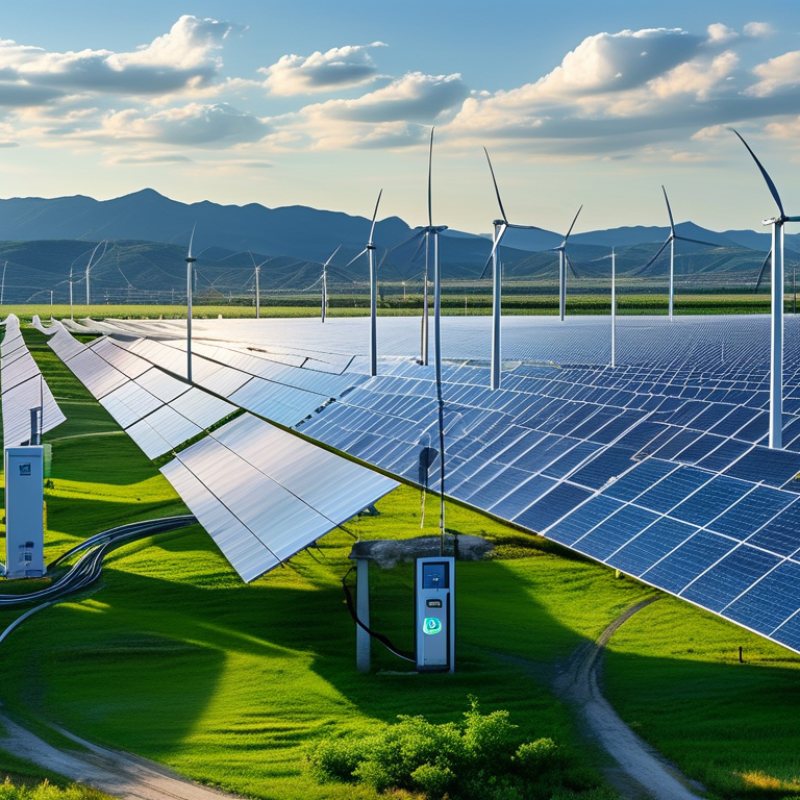
The integration of renewable energy into the electric vehicle (EV) charging ecosystem is transformative. Solar panels and wind turbines are increasingly powering charging stations. This shift reduces reliance on fossil fuels, making EV charging cleaner. Local energy sources enable stations to generate their electricity. This localized approach can also boost energy resilience.
However, the adoption of renewable energy is not without challenges. Fluctuating energy supplies from sources like solar can lead to inconsistencies in charging availability. Infrastructure upgrades are often needed to accommodate renewable energy. Many charging networks are still dependent on non-renewable sources during peak demand. Balancing supply and demand remains a critical issue.
Communities must adapt to these dynamics. Educational programs can enhance awareness about renewable energy benefits for EV users. Policymakers need to support investments in renewable infrastructure. Collaboration between governments and private sectors is essential for creating a robust charging network. Embracing these complexities can lead to a more sustainable future for electric mobility.
This chart illustrates the efficiency improvements in electric vehicle (EV) charging due to the integration of renewable energy sources over a three-year period. The data indicates a positive trend in charging efficiency as renewable energy representation in the grid increases.
Renewable energy sources play a crucial role in enhancing EV charging efficiency around the world. Solar power is one of the most popular choices. Many charging stations are equipped with solar panels. These panels harness energy from the sun to charge electric vehicles. This direct form of renewable energy reduces reliance on grid electricity. Wind energy also contributes significantly. Wind turbines generate electricity that can power EV chargers. Locations with consistent wind patterns often see an increase in charging efficiency.
Hydropower offers another avenue for EV charging. It uses flowing water to generate electricity. This method is reliable and can produce a steady energy supply for charging stations. However, its effectiveness can vary based on environmental factors. Geothermal energy is less common but growing. It utilizes heat from the Earth to generate electricity. Locations with geothermal resources can support efficient charging solutions.
While utilizing renewable energy is positive, challenges remain. Infrastructure can be costly to set up. Weather conditions affect energy production from solar and wind sources. Additionally, energy storage solutions need improvement to manage supply fluctuations. Despite these hurdles, the shift to renewable energy for EV charging is vital and increasingly necessary. More investment and innovation are required to fully realize its potential.
The development of charging infrastructure for electric vehicles (EVs) is increasingly influenced by renewable energy sources. Solar, wind, and hydropower contribute to cleaner energy solutions. They reduce dependence on fossil fuels. This shift empowers cities to adopt sustainable practices in creating charging stations.
Integrating renewable energy helps cities build efficient, robust charging networks. For example, solar-powered charging stations offer energy independence. Urban planners can strategically place these stations in high-traffic areas. However, the initial investment can be significant. Some regions struggle to find funding. They may face technological hurdles, too.
The impact of renewable energy on EV charging also highlights the need for innovative solutions. Energy storage systems can balance supply and demand. This ensures reliable power availability, especially during peak times. Without proper investment in technology, some projects may falter. Collaboration among stakeholders is vital for success. The balance between growth and sustainability is key to a greener future for EV charging infrastructure.
| Region | Percentage of Renewable Energy (%) | Ev Charging Stations (number) | Charging Speed (kW) | Reduction in CO2 Emissions (tons/year) |
|---|---|---|---|---|
| North America | 30 | 10,500 | 150 | 250,000 |
| Europe | 50 | 15,000 | 220 | 500,000 |
| Asia-Pacific | 40 | 20,000 | 180 | 400,000 |
| Latin America | 20 | 8,500 | 100 | 150,000 |
| Africa | 15 | 3,000 | 75 | 80,000 |
The integration of renewable energy into electric vehicle (EV) charging stations demonstrates promising outcomes worldwide. For instance, in Europe, solar-powered charging hubs have proven effective. These hubs utilize solar panels to generate electricity on-site. This localized approach reduces transmission losses and showcases a sustainable energy model.
In a notable case, one city in Australia implemented wind turbines to power its EV chargers. The connection to wind energy reduced reliance on fossil fuels. Despite challenges, like inconsistent wind patterns, the project significantly cut down greenhouse gas emissions. The initiative emphasizes the need for adaptive strategies in different climates.
Data from a successful pilot program in North America highlights another compelling example. Charging stations powered by biogas serve urban areas, offering a renewable source of energy. Moreover, it raises questions about waste management and energy generation. Can more cities adopt these models? The future of EV charging lies in diverse renewable solutions tailored to local contexts. Each case study urges policymakers to reconsider energy strategies for a cleaner environment.
As global interest in electric vehicles (EVs) grows, the need for efficient charging solutions becomes paramount. Renewable energy sources like solar and wind play a crucial role in advancing EV charging. These resources are becoming more cost-effective and widely available, offering clean power for charging stations. Integrating renewables into EV infrastructure can enhance sustainability while reducing reliance on fossil fuels.
One promising trend is the electrification of charging stations powered by solar panels. These installations capture sunlight and convert it into energy for EVs. This method can significantly lower operational costs and carbon footprints. However, the variability of solar energy creates challenges. Energy generation can be inconsistent, especially in regions with less sun. This requires robust energy storage solutions to ensure a consistent supply.
Wind energy is also gaining traction in EV charging. Offshore and onshore wind farms can provide substantial power for charging hubs. Yet, this approach may face social and environmental concerns. Not all communities welcome wind turbines due to noise and aesthetic issues. Balancing these factors is essential for sustainable development. As we look toward the future, innovative designs and smart grid technology will be vital for improving the reliability of renewable energy for EV charging.
: Renewable energy sources like solar and wind help create cleaner charging solutions. They reduce reliance on fossil fuels.
Solar energy can be inconsistent due to weather. Energy storage systems are needed for reliable power supply.
Energy storage systems balance supply and demand. They ensure reliable power availability during peak usage times.
Yes, the initial investment can be significant. Some regions struggle to secure funding for these projects.
Wind farms can provide substantial power for charging hubs. However, local concerns about noise and aesthetics may arise.
Collaboration ensures diverse input and resources, enhancing success rates. It addresses challenges collectively for better outcomes.
They offer energy independence and can be placed strategically in urban areas. This boosts accessibility for EV users.
Innovative designs and smart grid technology can enhance reliability and efficiency in energy supply for charging stations.
Not all communities support wind energy projects due to noise concerns. Balancing community needs is essential for sustainability.
By integrating renewable energy sources and optimizing the placement of charging stations in high-traffic areas, cities promote sustainability.
The integration of renewable energy into the electric vehicle (EV) charging ecosystem is revolutionizing the way we approach sustainable transportation. Renewable energy sources, such as solar, wind, and hydropower, are significantly enhancing the efficiency of EV charging by providing cleaner and more sustainable power options. These energy sources not only reduce the carbon footprint of charging stations but also contribute to the scalability and reliability of charging infrastructure development.
Global case studies have showcased various successful implementations of renewable energy in EV charging solutions, highlighting the positive effects on efficiency and accessibility. As we look to the future, the continued adoption of renewable energy is expected to further optimize EV charging processes, enhance grid resilience, and promote a more sustainable environment. Understanding how renewable energy impacts EV charging efficiency is crucial for advancing the capabilities of modern charging networks and promoting widespread EV adoption.

EnerNova Charger