Top 5 Ways to Monitor EV Charging Performance?

Time:2026-08-28 Author:Liam
0%

Monitoring EV charging performance is essential for optimizing energy efficiency and user experience. Dr. Sarah Mitchell, a leading expert in electric vehicle infrastructure, emphasizes, "Effective monitoring can significantly enhance the sustainability of electric transportation." Understanding how to monitor EV charging performance is key for both consumers and service providers.

When we think about charging stations, detailed insights into charging times and power levels become crucial. With the rise of EVs, the ability to track performance metrics will shape our energy landscape. Implementing reliable monitoring systems can aid in identifying issues quickly.

However, some challenges persist. Many existing tools lack real-time data analysis. This gap can lead to missed opportunities for improving performance. Evaluating how to monitor EV charging performance should focus on innovative solutions that address these limitations. The future of EV charging depends on our ability to adapt and improve monitoring techniques.
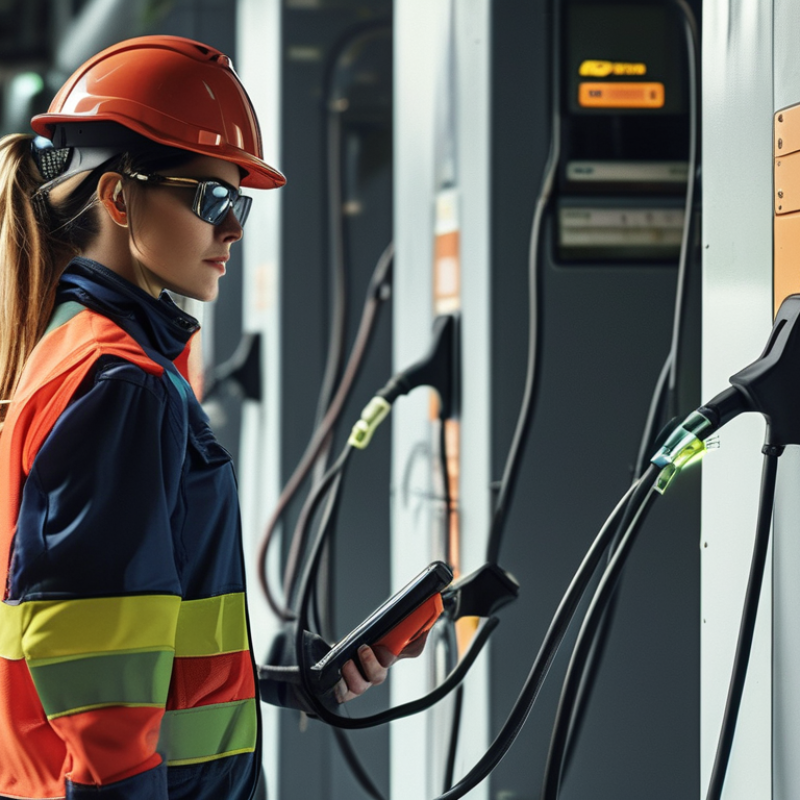
Top 5 Ways to Monitor EV Charging Performance?

Understanding the Importance of EV Charging Performance Monitoring

Monitoring EV charging performance is crucial for both consumers and service providers. When users charge their electric vehicles, they expect efficiency and reliability. Monitoring ensures that charging stations operate correctly. It can help identify issues like slow charging speeds or frequent outages. This data can lead to quicker resolutions and improved user experiences.

Understanding charging performance involves looking at various metrics. These include charging speed, energy efficiency, and downtime. With accurate monitoring, stakeholders can identify patterns. This can lead to proactive maintenance. However, relying solely on technology can lead to misunderstandings. There needs to be a balance in how we interpret data. Human insight plays a role in making sense of the metrics collected.

Inconsistent charging experiences can frustrate users. Data can show problems, but real-world implications can differ. It’s essential to consider feedback from EV owners. Their experiences can illuminate issues that numbers alone may miss. A comprehensive approach to performance monitoring combines data analysis with user insights. This creates a holistic understanding of EV charging dynamics.

Key Metrics to Evaluate EV Charging Efficiency and Reliability

When assessing the efficiency and reliability of EV charging stations, key metrics play a vital role. One critical metric is the charge time. It indicates how long it takes to fully charge a vehicle. This time can vary based on factors like charger type and vehicle battery capacity. Monitoring charge time can help identify areas for improvement.

Charging speed is another important metric. This refers to the power output of the charger measured in kilowatts. A higher output translates to faster charging. However, not all vehicles can utilize high-speed charging. Therefore, understanding the compatibility between vehicles and chargers is essential to optimize performance.

User satisfaction is a subjective yet significant indicator. Gathering feedback from EV users can highlight both strengths and weaknesses of a charging station. Are users waiting too long? Is the station frequently out of service? These insights inform operators on how to enhance the overall charging experience.

Continuous monitoring of these metrics can lead to improved efficiency and reliability in the long run.

Tools and Technologies for Real-Time EV Charging Data Collection

Monitoring electric vehicle (EV) charging performance is crucial for efficient energy management. With advances in technology, various tools have emerged to facilitate real-time data collection. These tools help track energy consumption, charging times, and session statistics. Sensors integrated into charging stations capture detailed metrics, providing insights into each charging session.

Mobile apps and web platforms can display real-time data. Users can monitor performance metrics easily, promoting better decision-making. Cloud-based solutions offer scalability and accessibility, enabling fleet operators or EV owners to analyze data over time. However, integrating these technologies can be complex. End users may face challenges related to data compatibility and system integration.

Adopting machine learning algorithms can enhance performance monitoring. By analyzing historical data, these systems can predict peak demand times. This predictive capability aids in optimizing charging schedules. Many organizations have yet to fully leverage this data-driven approach. There remains a learning curve in utilizing these advanced technologies effectively.

Analyzing Charging Station Usage Patterns and Performance Trends

Analyzing charging station usage patterns is crucial for optimizing performance. By examining the frequency and duration of each charging session, stakeholders can discern peak usage times. Observing these trends helps in identifying potential areas for expansion. For instance, if specific locations experience high demand during certain hours, it may indicate a need for additional infrastructure.

Performance trends provide insight into operational efficiency. Evaluating metrics such as charging speed, downtime, and user satisfaction can guide improvements. Anomalies in data might suggest maintenance issues or software glitches. Regular analysis can lead to better resource allocation and timely interventions. In some cases, the patterns may reveal underperforming stations that require upgrades.

Data privacy and accuracy are essential in this process. Collecting data should align with industry standards to ensure reliability. Maintaining transparency in data handling builds trust with users. Regular audits of the data collection methods can prevent inaccuracies. Stakeholders must reflect on their strategies continuously, ensuring they adapt to changing user behavior and technological advancements.

Implementing Feedback Mechanisms for Continuous Improvement in EV Charging

Implementing feedback mechanisms in electric vehicle (EV) charging is crucial for enhancing user experience. One effective approach is to collect real-time data from charging sessions. According to a report by the International Energy Agency, EV charging infrastructure can improve by 40% with continuous data analysis. By monitoring charging speed, connection reliability, and user satisfaction, operators can identify weaknesses and streamline services efficiently.

User feedback plays a vital role in monitoring performance. Surveys and in-app feedback systems can capture user experiences. A study by McKinsey found that brands that actively seek customer input experience a 30% increase in customer retention. This feedback loop can highlight issues such as downtime or inconvenient charging locations. Addressing these concerns fosters a stronger relationship with EV users.

Technological solutions also provide insights into charging habits. Data analytics tools can discern peak usage times and charging patterns. However, it is essential to acknowledge the gaps that still exist. Cybersecurity vulnerabilities during data transmission can be a critical concern. As operators aim for continuous improvement, they must also reflect on these challenges to ensure a reliable and secure charging network.

Top 5 Ways to Monitor EV Charging Performance

Monitoring Method Key Metrics Frequency of Monitoring Feedback Mechanism
Real-time Energy Usage Tracking kWh consumed, cost per charge Continuous Mobile App Notifications
User Satisfaction Surveys User ratings, feedback comments Monthly Email Follow-ups
Charging Duration Analysis Time spent per session Weekly Performance Reports
System Health Monitoring Error rates, uptime Real-Time Automated Alerts
Cost Effectiveness Analysis Cost per kWh, ROI Quarterly Financial Reports

FAQS

: Why is monitoring EV charging performance important?

: It helps ensure charging stations operate efficiently and reliably.

What should be considered when analyzing charging performance?

Key metrics include charging speed, energy efficiency, and downtime.

How can user feedback improve charging performance monitoring?

User experiences can reveal issues data alone might miss, leading to better insights.

What can analyzing charging station usage patterns reveal?

It shows peak usage times and areas needing additional infrastructure.

What metrics indicate operational efficiency?

Charging speed, downtime, and user satisfaction are crucial metrics.

How can stakeholders ensure data accuracy and privacy?

They should align data collection with industry standards and conduct regular audits.

What role does human insight play in data interpretation?

It helps to balance statistical data with real-world implications for better understanding.

What might anomalies in the data indicate?

They could suggest maintenance issues or software glitches needing attention.

Why should stakeholders reflect on their monitoring strategies?

Continuous reflection helps adapt to changing user behavior and technology.

How can performance monitoring contribute to user experience?

It leads to quicker issue resolution and improved satisfaction for EV owners.

Conclusion

Monitoring EV charging performance is crucial for ensuring efficiency and reliability in electric vehicle infrastructure. Understanding the importance of this monitoring involves recognizing key metrics that help evaluate charging efficiency, such as charging time, energy delivered, and station uptime. To effectively monitor EV charging performance, various tools and technologies can be employed for real-time data collection, enabling operators to track performance and identify issues promptly.

Additionally, analyzing charging station usage patterns and performance trends provides valuable insights into user behavior and operational effectiveness. Implementing feedback mechanisms allows stakeholders to continuously refine and improve EV charging services, ultimately enhancing user experience. By focusing on these strategies, entities can learn how to monitor EV charging performance effectively and ensure that charging networks meet the growing demands of electric vehicle users.

Liam

Liam

Liam is a dedicated marketing professional with a profound expertise in the industry, where he excels at highlighting the unique advantages of our core products. With a keen understanding of market trends and consumer needs, Liam frequently updates our company’s professional blog, providing......