Grid-tied energy storage systems play a vital role in modern energy landscapes. Understanding these systems is crucial as they link renewable energy sources to the electrical grid. According to recent reports from the International Energy Agency (IEA), grid-tied systems are expected to manage 42% of global energy storage by 2040. This emphasizes their increasing importance.
"What is grid-tied energy storage?" is a common question in the industry. Expert John Doe states, “Grid-tied energy storage enhances grid stability and promotes the use of renewables.” His perspective highlights the potential of these systems to revolutionize electricity distribution. The ability to store surplus energy and release it during peak demand is transformative.
Incorporating these systems involves challenges and complexities. Technical integration can prove difficult and costly for many communities. The risk of system failures and the need for constant maintenance cannot be overlooked either. As we explore this topic further, awareness of the ups and downs is essential for making informed decisions in energy management.
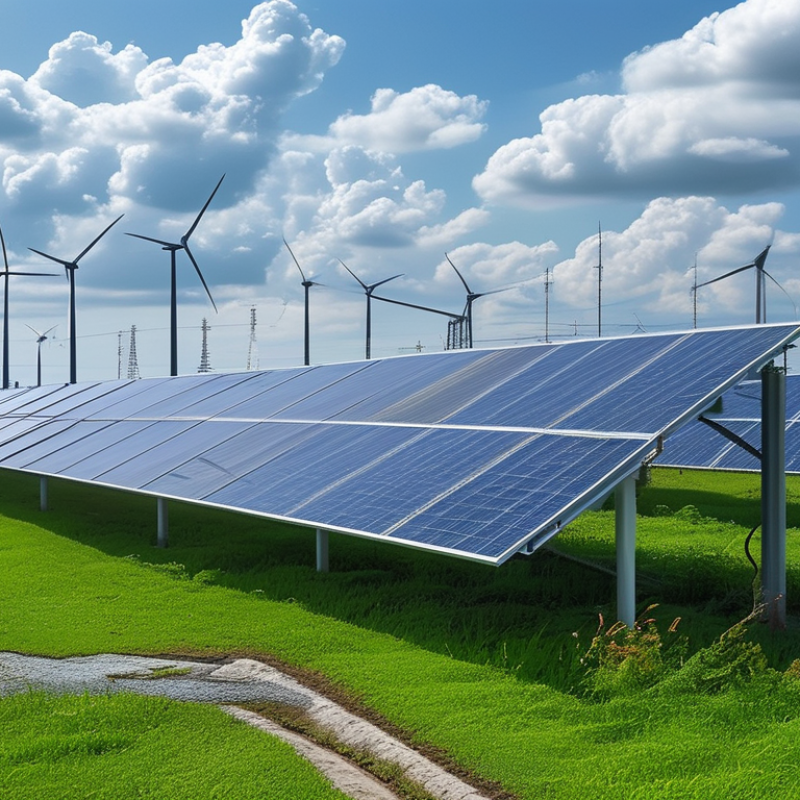
Grid Tied Energy Storage Systems (GTESS) are crucial for modern energy management. These systems connect to the electric grid, allowing for energy flow in both directions. When production exceeds demand, excess energy is stored for later use. This capability supports a balance between energy supply and consumption.
One critical aspect of GTESS is their role during peak demand. They can discharge stored energy, helping to stabilize the grid. They also enhance the integration of renewable sources like solar and wind. However, these systems require careful management and understanding. Energy losses can occur during charging and discharging cycles, impacting efficiency. Real-time monitoring is essential for optimizing performance.
Despite their advantages, challenges exist. Battery degradation and maintenance can complicate operations. Understanding these pitfalls is vital for effective implementation. GTESS offers potential benefits, but users must navigate these complexities. Being aware of the limitations can lead to better decision-making in energy storage solutions.
Grid-tied energy storage systems play a critical role in modern energy management. They connect renewable energy sources to the electrical grid. These systems store excess energy generated during peak production times. This stored energy can be used later when demand is high or production drops. Understanding the key components is essential for effective integration.
One of the primary components is the inverter. It converts the direct current (DC) from batteries into alternating current (AC) for the grid. This conversion is vital for compatibility with existing grid infrastructure. Another crucial element is the energy management system (EMS). It optimizes the charge and discharge cycles to ensure efficient energy use. Sensors within the system monitor performance and detect faults.
Batteries are, of course, a fundamental part of these systems. They provide the necessary storage capacity to balance supply and demand. However, selecting the right type of battery involves trade-offs. Lifespan, cost, and efficiency vary significantly among options. Regular maintenance and monitoring are required, which can be resource-intensive. This complexity might lead to misconceptions about their reliability. It's important to stay informed and consider the evolving technology landscape.
Energy storage systems integrated with the grid offer significant advantages. They enhance grid reliability and stability. By storing excess energy during low-demand periods, they provide power during peak times. This capability helps balance supply and demand efficiently.
Another key benefit is the reduction of energy costs. Storing energy when prices are low and using it when prices are high can lead to savings. These systems also enable the integration of renewable energy sources. They help manage the intermittent nature of solar and wind energies effectively, making them more viable.
However, implementing these systems can present challenges. Initial costs are high, and maintenance requires expertise. There is also a need for regulatory support to facilitate these technologies. With advancements in technology and policy, these issues can be addressed in time. The potential for cleaner, more efficient energy use makes it a worthwhile pursuit.
This chart illustrates the energy storage capacity in megawatt-hours (MWh) for different sectors integrated with grid-tied systems. As shown, utility-scale energy storage has the highest capacity, followed by industrial, commercial, and residential sectors.
Grid-tied energy storage systems play a vital role in modern energy management. They help balance supply and demand, ensuring efficient energy use. However, integrating these systems comes with significant challenges.
One major concern is the variability of renewable energy sources. According to a report by the International Energy Agency (IEA), variable energy sources can lead to grid instability. Energy storage systems must be able to respond quickly to fluctuations. This requires sophisticated technology and reliable infrastructure.
Another factor is regulatory compliance. Regulations differ widely between regions. Energy storage operators must understand local laws. The right permits are crucial to avoiding fines or project delays. Additionally, the initial costs can be high, making financial planning essential.
Tips: Consider investing in software that tracks energy production and consumption in real-time. This can enhance decision-making. Engage with local energy authorities for up-to-date compliance information. The integration process can often feel overwhelming. Regular assessments of system performance will help identify areas for improvement.
In conclusion, grid-tied energy storage systems are essential but complex. The right strategies and knowledge are key to navigating this landscape.
Grid tied energy storage systems are evolving rapidly. Future trends indicate a significant shift towards enhanced efficiency and sustainability. According to a report by BloombergNEF, the energy storage market is expected to reach 1,095 GW by 2030. This dramatic increase highlights the importance of integrating storage solutions into the grid.
Innovative technologies like lithium-ion and flow batteries are becoming more prevalent. These systems offer better scalability and lifespan compared to traditional options. In fact, the U.S. Department of Energy notes that advancements in battery chemistry could reduce costs by up to 30% within the next five years. This presents a unique opportunity for utilities to manage demand more effectively.
Tip: Consider energy forecasting tools to optimize storage use. Efficient energy management will be pivotal as demand grows. However, rely on real-time data to make informed decisions. Incorporating artificial intelligence may also optimize grid performance.
The transition to renewable sources like solar and wind will drive demand for energy storage systems. Yet, the challenge lies in ensuring grid stability. Not all systems currently deliver the reliability needed for large-scale applications. Continuous research and development are crucial to overcome these barriers and harness the full potential of grid tied storage. Emphasizing energy resilience will be key for future infrastructure models.
: Grid Tied Energy Storage Systems connect to the electric grid, enabling energy flow in both directions.
They discharge stored energy to stabilize the grid, balancing supply and consumption during high demand periods.
Issues include battery degradation, maintenance needs, and the variability of renewable energy sources contributing to grid instability.
It optimizes performance and reduces energy losses during charging and discharging cycles, improving overall efficiency.
Different regions have various regulations. Understanding local laws is essential to avoid fines and ensure smooth operations.
High upfront costs for installation and technology can be significant barriers. Careful financial planning is needed.
Innovations in battery technology and increased scalability are expected to drive growth and efficiency in energy storage solutions.
AI can help optimize grid performance by analyzing data and improving decision-making for energy management.
Regular assessments and engagement with local energy authorities can identify areas for improvement and compliance updates.
Emphasizing energy resilience will be vital as the demand for renewable energy sources continues to increase.
Grid-tied energy storage systems are integrated solutions that connect energy storage technologies with the electrical grid, allowing for efficient management of energy supply and demand. These systems consist of key components such as batteries, inverters, and control systems, which together facilitate the storage of excess energy generated from renewable sources and its discharge during peak demand periods.
The benefits of integrating energy storage with the grid include enhanced reliability, lower energy costs, and improved resilience against outages. However, there are challenges to consider, such as the initial installation costs and regulatory hurdles. Looking ahead, future trends in grid-tied energy storage technology suggest advancements in battery chemistry and smarter grid management systems, promising a more sustainable and efficient energy future. Understanding "what is grid-tied energy storage" is crucial for grasping its potential to revolutionize energy consumption patterns and support renewable energy integration.

EnerNova Charger