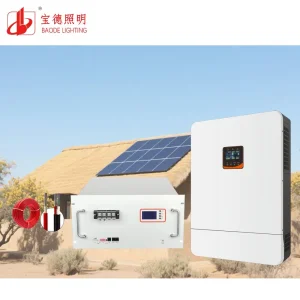
Customizable 5kw 10kwh Residential Solar Energy Storage System
Learn More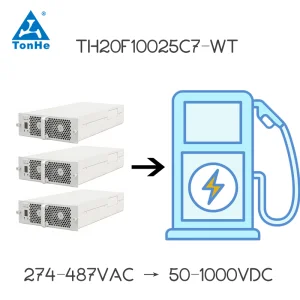
20kW 1000V Tonhe 7th Gen EV Charging Power Module/Station/DC Fast Charger
Learn More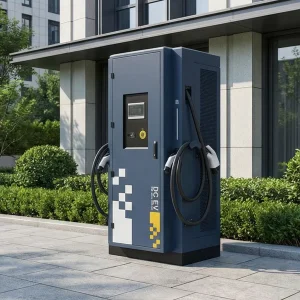
Powerful DC EV Charger Charging Station with 5-7m Cable for Fast Charging
Learn More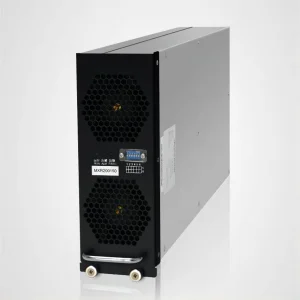
Mxr200150 EV DC Fast Charging Module Supply for High Power EV Charger
Learn More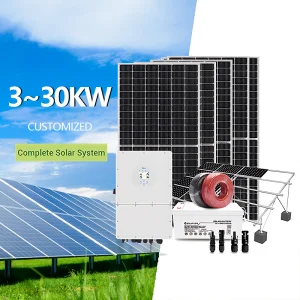
Solarasia 15kw 30kw Complete Solar Kit System off Grid Solar Energy Power System All in One 5kw 10kw 15kw 20kw with Lithium Battery
Learn More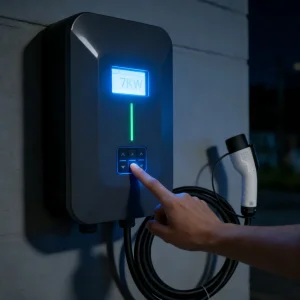
EV Charger Ocpp Smart Commercial Charging Station for Office & Parking Lots
Learn More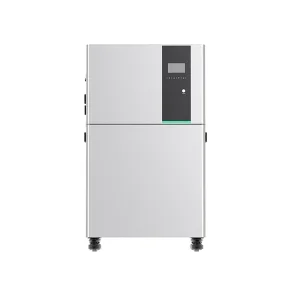
Seamless Grid Access 10kw 15kwh Sine Wave All-in-One Residential Energy Storage System
Learn More
Olink 250A CCS1-GB/T Smart Charging Solution for Fleets
Learn MoreA comprehensive analysis of technological architectures, global supply chain optimization, and localized grid compliance in the era of renewable energy transformation.
The global transition toward decentralized power grids, electric transport, and massive battery storage requires more than just capacity; it demands high-precision efficiency. Energy Efficiency Solutions are no longer auxiliary systems but the very backbone of modern commercial and industrial (C&I) operations. In accordance with the EU Green Deal and stringent ESG guidelines, enterprises are optimizing their energy pathways to reduce Levelized Cost of Storage (LCOS) and total cost of ownership (TCO).
By integrating advanced solar energy harvesting with dynamic battery storage and ultra-fast EV infrastructure, corporations achieve dual benefits: reduced carbon footprints and independence from fluctuating grid prices. This document details the engineering criteria, supply chain logic, and regional requirements for sourcing high-end hardware.
"True energy efficiency is achieved at the intersection of conversion performance, grid synchronization, and thermal optimization. As regulators tighten requirements, CE compliance represents the minimum threshold of safety, while operational efficiency constitutes the core vector of competitive advantage."
— Senior Policy Director, Global Clean Energy Alliance
Navigating regional regulatory landscapes is one of the most critical aspects of global energy solution deployment. The CE marking is not merely a label; it is a declaration that the product complies with crucial European health, safety, and environmental protection standards. For power modules, high-capacity hybrid inverters, and EV fast chargers, compliance requires satisfying several stringent directives:
Furthermore, local grid codes present significant technical hurdles. For instance, in Germany, storage and inverter systems must comply with VDE-AR-N 4105 and VDE-AR-N 4110, regulating low and medium-voltage grid connections. In the UK, systems must conform to G98/G99 engineering recommendations. These regional rules dictate how energy solutions respond to grid frequency variations, voltage fluctuations, and emergency shut-off signals (such as anti-islanding protection).
China has established an unparalleled global ecosystem for clean energy manufacturing. Sourcing from top-tier Chinese suppliers provides significant benefits that cannot be easily replicated elsewhere:
Direct proximity to global lithium cell manufacturers ensures access to high-grade, long-cycle-life Lithium Iron Phosphate (LiFePO4) chemistry at lower cost structures.
From sheet metal fabrication and structural engineering to thermal chamber testing and custom BMS firmware development, Chinese facilities offer all-under-one-roof execution.
Unmatched throughput capacities enable massive cost reductions and shorter lead times, ensuring large-scale commercial deployments can stay strictly on schedule.
By partnering with top-tier exporters, buyers bypass intermediate margins while gaining access to agile engineering groups capable of executing complex OEM customizations. This includes tailormade configurations for multi-cabinet industrial layouts, custom-branded mobile apps, and specialized software APIs designed to communicate with proprietary energy management systems (EMS).
C-level executives, energy project managers, and utility scale buyers look for strategic longevity rather than simple hardware acquisitions. A professional procurement framework evaluates equipment against several critical metrics:
Furthermore, financial feasibility relies heavily on smart features like peak shaving, load shifting, and dynamic load balancing. Investing in hardware with built-in intelligent curtailment options allows companies to mitigate peak demand surcharges imposed by utilities, yielding immediate financial returns.
Explore how our integrated systems perform across residential, commercial, and utility-scale application fields.
Combining high-efficiency solar inverters with scalable residential battery systems to ensure continuous power supply, emergency backup, and smart home energy management.
Empowering office buildings, industrial parks, and retail complexes with smart commercial chargers and mid-scale BESS for dynamic demand response.
Deploying high-power, multi-standard DC fast chargers and modular containerized energy storage to maintain heavy-duty logistics operations at peak efficiency.
Hangzhou EnerNova Charger Co., Ltd. is a leading innovator in the field of electric vehicle charging and smart energy solutions. Specializing in both AC and DC EV charging technologies, the company provides a comprehensive range of products and services designed to meet the diverse needs of residential, commercial, and fleet customers.
EnerNova’s portfolio includes home EV chargers, fast DC charging stations, intelligent charging power management systems, and advanced energy storage solutions. By integrating cutting-edge hardware with smart software, the company ensures optimized charging efficiency, real-time monitoring, and reliable energy management for all applications.
Committed to sustainability and the development of green transportation, Hangzhou EnerNova emphasizes seamless integration of renewable energy sources with its charging and storage systems. Its solutions support vehicle-to-grid (V2G) applications, load balancing, and intelligent energy optimization, helping customers reduce operational costs while enhancing grid stability.
With rigorous quality standards, continuous R&D investment, and a customer-centric approach, EnerNova has established itself as a trusted partner in the EV and smart energy industry. The company’s innovative technologies empower users to adopt cleaner, smarter, and more efficient energy solutions, paving the way for the future of intelligent mobility.

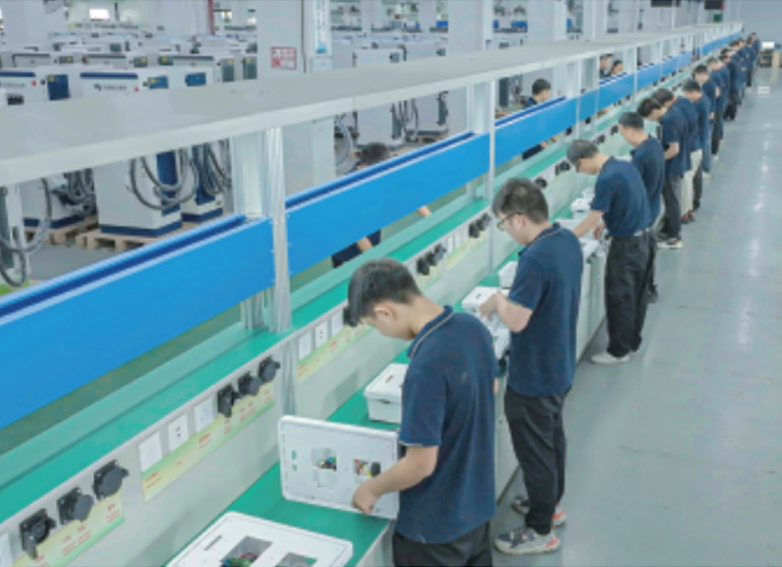
The energy efficiency sector is evolving at a breakneck pace, driven by rapid improvements in power electronics, artificial intelligence, and new materials. Over the next five years, several key megatrends are projected to dominate the industry landscape:
Aligning procurement today with these forward-looking trends ensures that hardware assets do not suffer from premature technical obsolescence.
Find answers to critical technical questions regarding CE certification, product capabilities, and installation guidelines.
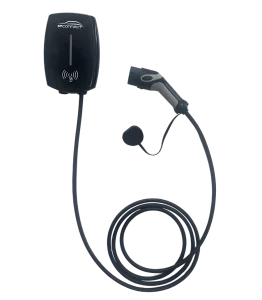
IEC AC Home Charging Car Charger 7kw EV Wallbox Charger EV Charging Station
Learn More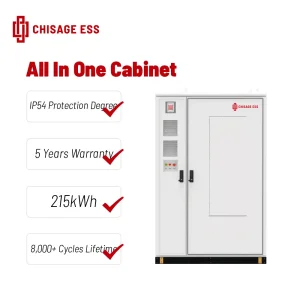
Chisage Power Supply Industrial Hybrid Inverter Solar Power Storage Battery Integrated All in One Energy Storage System
Learn More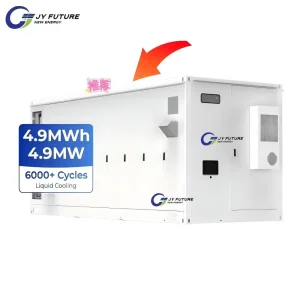
Commercial Energy Storage Solutions for Sustainable Industrial Operations High-Capacity Industrial Energy Storage Systems for Global Markets
Learn More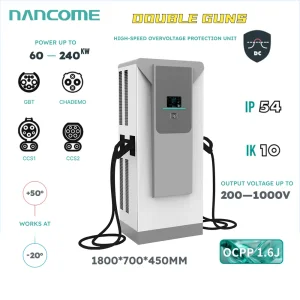
Nancome Commercial DC Charger for Technology Parks with Smart Infrastructure System 60kw
Learn More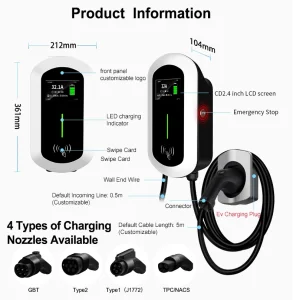
Durable Smart Portable EV Charger Heat-Resistant Home EV Charging
Learn More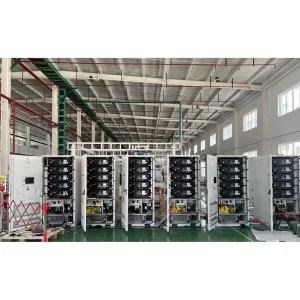
No Condensation Wres-Ci-25-261-125 Grid-Tied Commercial Battery Storage System for Office Buildings
Learn More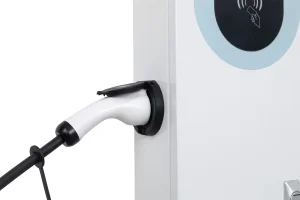
EV Charging Station for Industrial and Fleet Applications DC AC
Learn More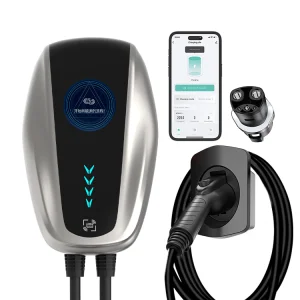
22kw Type2 Commercial EV Charger Wallbox Ocpp 1.6 Public Charging Station for Network Operators
Learn More EnerNova Charger