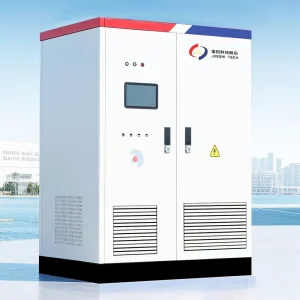
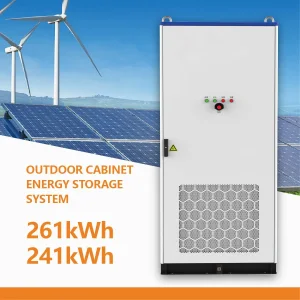
Engineered for stabilizing Kiribati's decentralised utility systems, offering superior power conversion efficiency and long-lasting storage capacity.
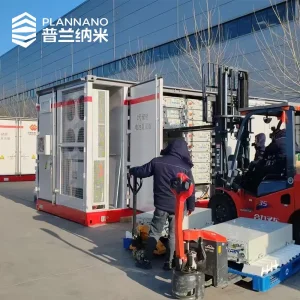
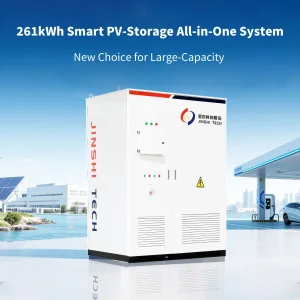
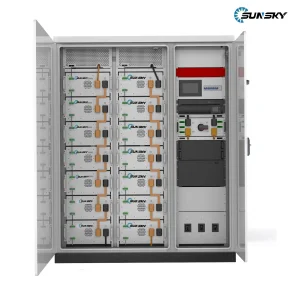
Pioneering clean energy and smart charging solutions designed to bridge the transition to global zero-emission infrastructures.
Hangzhou EnerNova Charger Co., Ltd. is a leading innovator in the field of electric vehicle charging and smart energy solutions. Specializing in both AC and DC EV charging technologies, the company provides a comprehensive range of products and services designed to meet the diverse needs of residential, commercial, and fleet customers.
EnerNova’s portfolio includes home EV chargers, fast DC charging stations, intelligent charging power management systems, and advanced energy storage solutions. By integrating cutting-edge hardware with smart software, the company ensures optimized charging efficiency, real-time monitoring, and reliable energy management for all applications.

Committed to sustainability and the development of green transportation, Hangzhou EnerNova emphasizes seamless integration of renewable energy sources with its charging and storage systems. Its solutions support vehicle-to-grid (V2G) applications, load balancing, and intelligent energy optimization, helping customers reduce operational costs while enhancing grid stability.
With rigorous quality standards, continuous R&D investment, and a customer-centric approach, EnerNova has established itself as a trusted partner in the EV and smart energy industry. The company’s innovative technologies empower users to adopt cleaner, smarter, and more efficient energy solutions, paving the way for the future of intelligent mobility.
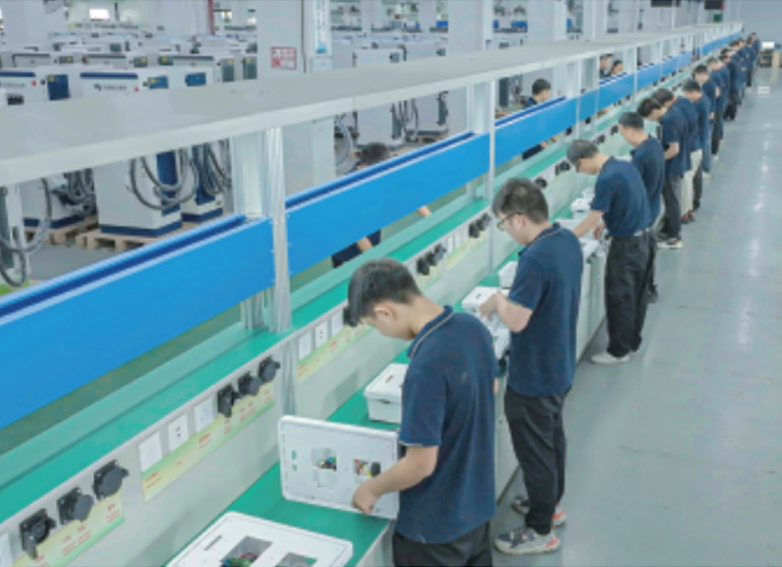
Decentralized, islanded microgrids require dynamic power storage to sustain reliable AC EV charging operations and solar peak-shaving.
Kiribati, comprising 32 atolls and one raised coral island, faces immense geographical isolation. The local utility, the Public Utilities Board (PUB) in South Tarawa, operates on heavy diesel generator dependencies. Introducing rapid AC or DC EV charging systems directly to these grids causes severe voltage fluctuations and frequency stability issues. Integrated battery energy storage (BESS) acts as a dynamic buffer, decoupling charging loads from volatile local generation.
By leveraging Solar-Integrated Storage Systems, commercial entities and public terminals in Tarawa can harvest solar energy during the day and dispense it to vehicles at night. With solar irradiation averages exceeding 5.5 kWh/m²/day across Kiribati, deploying paired solar-battery storage lowers the Levelized Cost of Energy (LCOE) significantly compared to importing high-cost fossil fuels.
Pacific island deployment requires severe atmospheric durability. High salinity, heavy moisture, and ambient temperatures averaging 30°C dictate components built to C5-M marine anti-corrosion standards. Our IP65/IP66 outdoor battery storage cabinets and AC charging units feature double-layer anti-corrosive powder coatings and advanced liquid/air thermal management systems to counter salt spray, humidity, and tropical heat.
Electric equipment standards in Kiribati often align with Australian and New Zealand compliance guidelines. Our EV chargers and inverter systems conform to AS/NZS 4777 (grid connection of energy systems via inverters) and AS/NZS 3000 wiring regulations, guaranteeing that international development grants and public tenders sail through compliance checks easily.
Utilizing the scale of China’s leading battery chemistry clusters to deliver heavy-duty, highly customized energy platforms for remote island states.
As a seasoned exporter, Hangzhou EnerNova optimizes every node of the development cycle. By positioning our primary manufacturing lines near key transport nodes in Zhejiang and Jiangsu, we utilize immediate access to Tier-1 Lithium Iron Phosphate (LFP) and Lithium Titanate (LTO) cell foundries. This cuts material transit bottlenecks, assuring consistent battery grade performance at competitive rates.
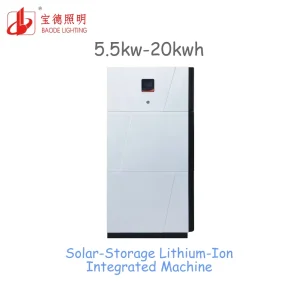
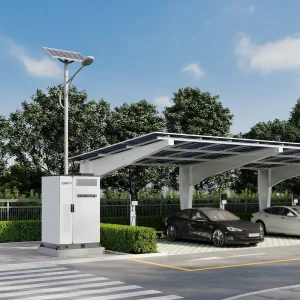
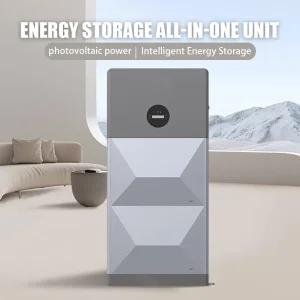
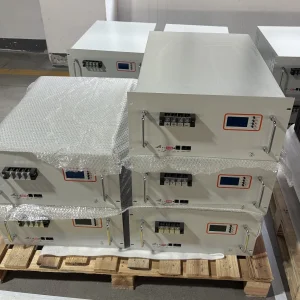
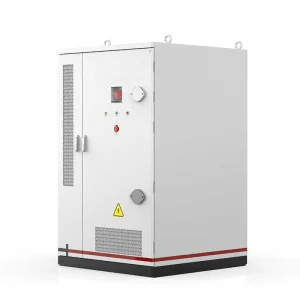
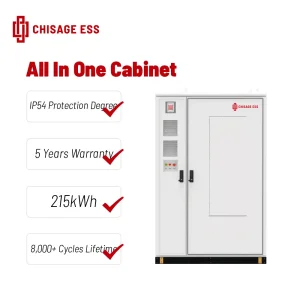
Browse our global lineup of modular, fire-safe BESS units and high-efficiency hybrid solar cabinets optimized for remote, off-grid, and urban network deployment.
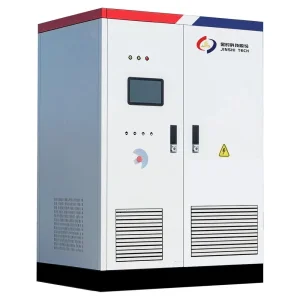
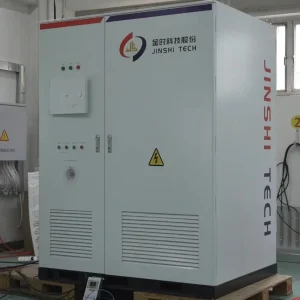
Clear answers regarding installation, certification, shipping logistics, and microgrid engineering in Pacific island environments.
Yes. In remote regions of Kiribati where grid connection is weak or non-existent, our AC chargers can be integrated with our Hybrid Solar-Storage systems. The energy storage system stabilizes the transient load drawn by the EV during startup, utilizing stored solar energy without relying on the public utility grid.
We use heavy-duty materials with C5-M high-corrosion classification coatings, stainless steel fasteners, and IP65/IP66 enclosure seals. This prevents salt-spray ingress, protecting interior electrical contacts, power controllers, and batteries from high moisture degradation.
While Lithium Iron Phosphate (LFP) is excellent for standard high-density storage, Lithium Titanate (LTO) performs exceptionally well in hot climates. LTO maintains a long lifecycle (up to 20,000 cycles) and operates safely at higher ambient temperatures without thermal runaway risks, making it ideal for Kiribati’s climate.
Yes. EnerNova’s systems are certified to meet international standards such as CE, IEC 61851, IEC 62196, and UN38.3. We also offer configurations that comply with AS/NZS 4777 and AS/NZS 3000 guidelines commonly referenced in the South Pacific.
Standard production cycles are 30 to 45 days. Transit times from Chinese ports (such as Ningbo or Shanghai) to the Port of Betio in South Tarawa range between 25 and 40 days, depending on shipping line schedules and transshipment hubs (such as Fiji or Australia).
Yes. Our integrated solar-storage units and smart chargers feature optional 4G/Wi-Fi/Ethernet connectivity. Local administrators and installers can monitor cell conditions, State of Charge (SoC), operational temperatures, and charging histories in real-time through our dedicated mobile app and cloud portal.
Our system monitors the building's total energy consumption. When load demands exceed a set threshold, the BESS automatically discharges power to cover the peak load. This reduces the maximum demand drawn from the grid, lowering high peak demand fees charged by utility operators.
Safety is our top priority. Our cabinets feature integrated fire suppression systems, including aerosol fire extinguishing agents, gas detectors, and thermal sensors. If an abnormal rise in temperature is detected, the system isolates the affected module and releases extinguishing agents to suppress the fire quickly.
 EnerNova Charger