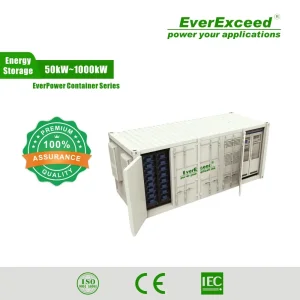
Engineered to withstand tropical humidity and saline air while delivering peak performance for industrial facilities, shopping malls, and municipal microgrids.
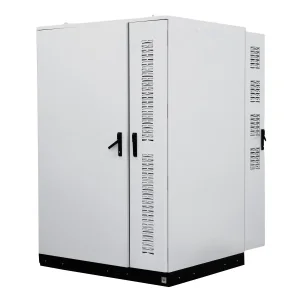
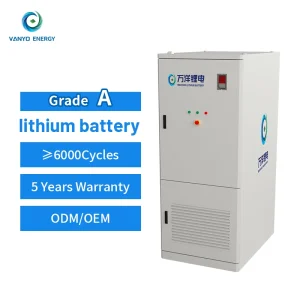
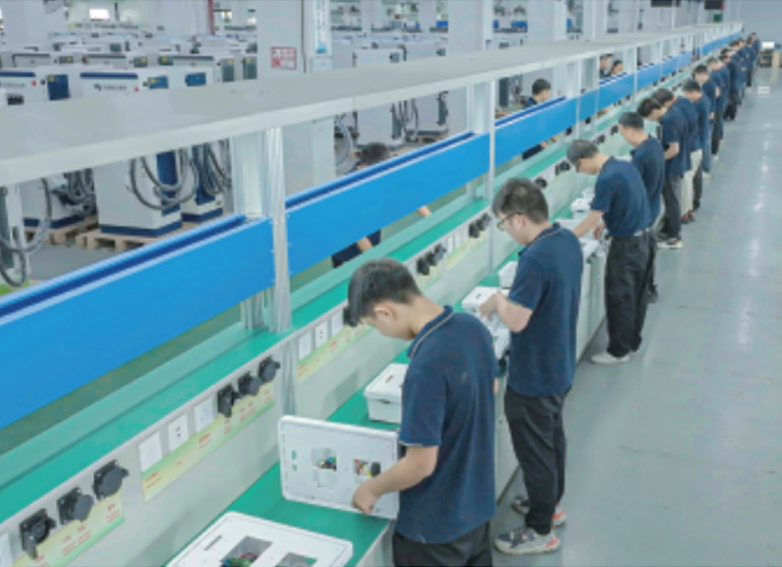
Hangzhou EnerNova Charger Co., Ltd. is a leading innovator in the field of electric vehicle charging infrastructure and smart energy management systems. Specializing in high-efficiency AC/DC fast charging hardware and advanced energy storage systems (BESS), EnerNova integrates state-of-the-art power electronics with proprietary cloud software.
EnerNova’s commercial portfolio includes turnkey battery energy storage solutions, containerized microgrid systems, and intelligent peak-shaving architectures designed to maximize self-consumption of solar energy. By combining localized manufacturing compliance with reliable thermal cooling solutions, EnerNova helps enterprises globally mitigate peak demand fees and secure continuous backup power.
With certified quality systems conforming to ISO 9001 and strict safety compliance certifications including CE, UL, and IEC, Hangzhou EnerNova delivers resilient clean energy platforms engineered to support grid stabilization, vehicle-to-grid (V2G) applications, and microgrid deployments in high-salinity island climates.
Partner with EnerNova
A comprehensive analysis of the local macro-economic drivers, grid requirements, and technological configurations required for successful BESS deployment.
Trinidad and Tobago possesses a unique energy matrix within the Caribbean. As an industrial economy heavily reliant on petroleum, petrochemical production, and liquefied natural gas (LNG) export, the twin-island nation is currently steering its domestic power infrastructure toward low-carbon resilience. Under the *National Climate Change Policy* and commitments to the Paris Agreement, Trinidad and Tobago aims to achieve 30% renewable energy generation by 2030, a goal that requires massive deployment of commercial energy storage systems.
The local grid, managed by the **Trinidad and Tobago Electricity Commission (T&TEC)**, operates with a high degree of centralization. While power costs remain relatively low compared to neighboring Caribbean nations due to domestic natural gas subsidies, commercial and industrial (C&I) sectors face distinct operational hazards. Voltage fluctuations, transient frequency deviations in industrial zones (such as Point Lisas Industrial Estate), and localized outages present significant risks to heavy manufacturing, cold storage, pharmaceutical operations, and large commercial centers.
Implementing Commercial Battery Energy Storage Systems (BESS) allows regional facilities to resolve power quality issues, eliminate costly production shutdowns caused by short-duration voltage sags, and execute reliable peak-shaving strategies.
Choosing the correct technological configuration is paramount for high-temperature, humid, and saline coastal conditions in Trinidad and Tobago. C&I buyers must evaluate key technological trade-offs:
Furthermore, high-voltage battery storage systems (operating above 800V DC) are becoming standard for utility-interfacing commercial setups, as they reduce current flow, minimize cable losses, and improve round-trip efficiency (RTE) to over 90%.
For procurement directors sourcing commercial and utility-scale BESS for Trinidad and Tobago operations, safety compliance and standard verification are critical to obtaining project permits, grid interconnection approval, and property insurance coverage.
A reliable energy storage system must satisfy global standards:
| Standard | Verification Objective | Importance for T&T Projects |
|---|---|---|
| UL 9540A | Thermal runaway propagation testing | Prevents fire spread in dense industrial zones |
| IEC 62619 | Safety requirements for industrial Li-ion cells | Mandatory for custom commercial imports |
| UL 1973 | Batteries for use in stationary applications | Standard required by global underwriters (FM Global, etc.) |
| IEEE 1547 | Interconnection standard for distributed resources | Ensures safe synchronization with the T&TEC grid |
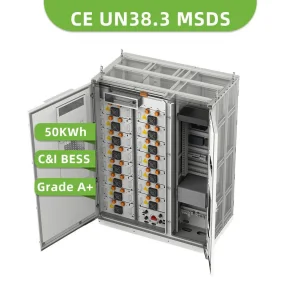
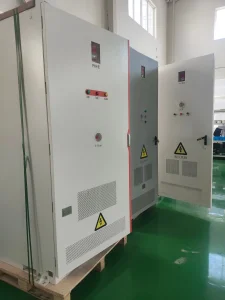
Working with certified factories guarantees that the physical energy storage containers, integrated Battery Management Systems (BMS), and Power Conversion Systems (PCS) meet these rigorous criteria, reducing commissioning times and maximizing operational safety.
Providing resilient power conversion and advanced cell balancing to support heavy-duty Caribbean C&I environments.
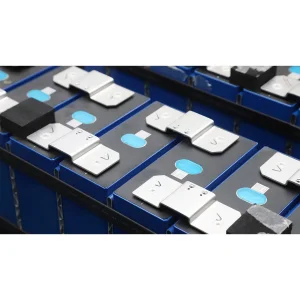
Advanced BMS software tracking cell state of charge (SoC), state of health (SoH), and voltage variations at a millivolt level to guarantee safety.
Automatically discharge stored power during local peak hours, drastically reducing high T&T demand charges for manufacturing plants.
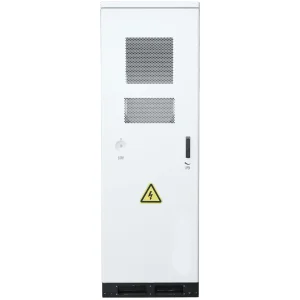
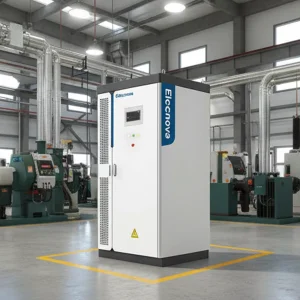
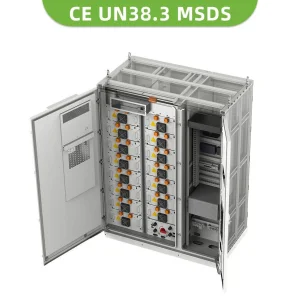
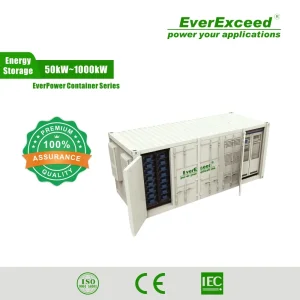
Pre-packaged container units from 100kW up to multi-MW configurations, allowing seamless capacity scaling as facility demand expands.
Explore our complete commercial & industrial product lineup configured for robust operation and seamless grid integration.
As energy infrastructure digitizes, commercial energy storage is evolving beyond simple emergency backup. Over the next five years, BESS integrated in Trinidad and Tobago will shift from basic passive assets to dynamic grid participants. Key technological updates driving this shift include:
Sodium-ion technology represents a significant potential shift for hot climates. With raw materials highly abundant and operating profiles that mitigate thermal runaway concerns, Na-ion provides a highly resilient, low-maintenance alternative to classic Lithium-ion in standard commercial applications.
Modern EMS systems utilize machine learning models to forecast solar output, monitor building consumption habits, and automatically coordinate charge/discharge schedules to minimize grid dynamic demand penalties.
Bi-directional commercial EV chargers can work concurrently with localized stationary battery arrays, treating parked corporate EV fleets as distributed energy resources during grid emergency alerts.
Critical engineering and operational insights for deploying battery energy storage systems in the Caribbean.
Consult with our lead engineering team to review electrical specifications, local code compliance, and get a tailored BESS proposal for your Trinidad and Tobago operations.
Request Consultation EnerNova Charger